

Full Details
Hair Transplant in Iran: Everything You Need to Know
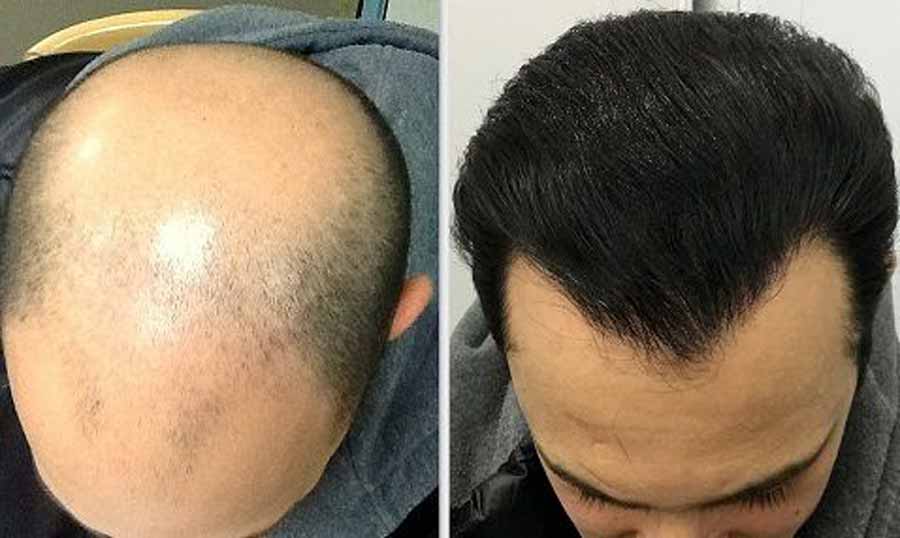
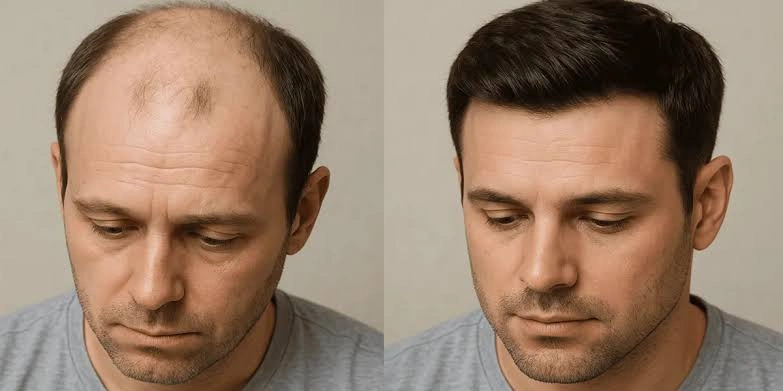
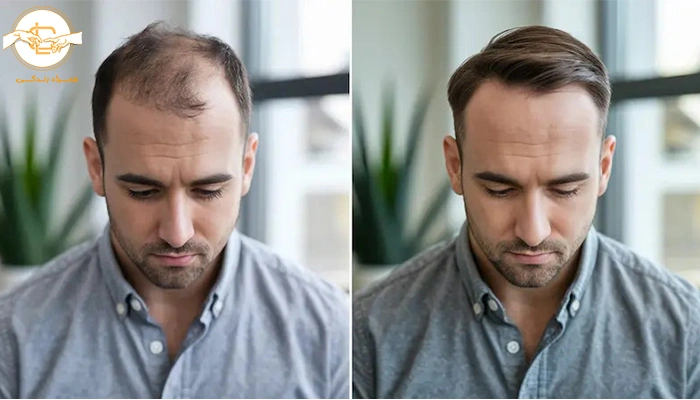
Hair plays an important role in appearance and self-confidence. Hair loss can occur for many different reasons, including genetics, aging, hormonal changes, certain medical conditions, stress, and lifestyle factors. For people looking for an effective solution to hair loss, hair transplantation can provide a long-term way to restore hair and improve the appearance of thinning or bald areas.
Iran has become a popular destination for medical tourism, including cosmetic procedures such as hair transplantation. With experienced specialists, modern medical facilities, and comparatively affordable treatment costs, patients from different countries can access hair restoration services in Iran.
What Is a Hair Transplant?
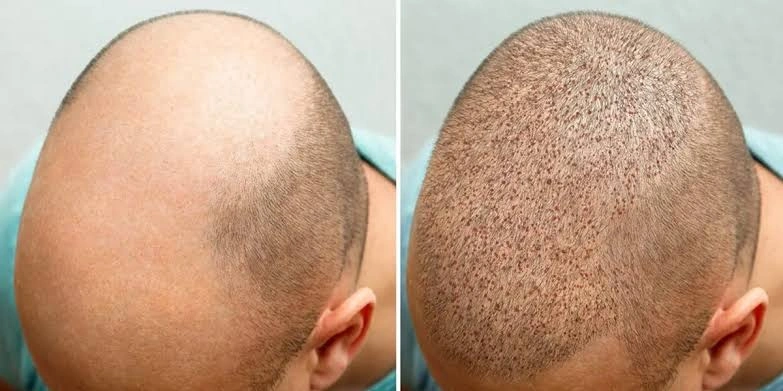
Hair transplantation is a surgical procedure used to restore hair in areas affected by thinning or baldness. During the procedure, healthy hair follicles are taken from a donor area and transplanted into areas where hair growth is reduced or absent.
The procedure generally involves two main stages:
- Harvesting hair grafts: Healthy hair follicles are carefully removed from a suitable donor area, usually the back or sides of the scalp.
- Transplanting the grafts: The harvested follicles are placed into the recipient area according to the patient’s hairline, hair density, and natural hair growth direction.
The donor area is usually selected because the hair follicles in this region tend to be more resistant to pattern hair loss. The recipient area is the part of the scalp where additional hair density is needed.
Why Choose Iran for Hair Transplantation?
Hair transplantation is one of the commonly performed cosmetic procedures in Iran. The country has experienced hair transplant surgeons, specialized clinics, and medical facilities equipped with modern technologies.
One of the main reasons international patients consider Iran for hair restoration is the comparatively affordable cost of treatment. Patients may be able to receive professional medical services at a lower price than in many Western countries, although the final cost depends on factors such as the number of grafts, technique, surgeon, clinic, and additional services.
Another important consideration is the experience of specialists. Iranian doctors perform a large number of cosmetic and reconstructive procedures, and many clinics provide services specifically for international patients.
However, choosing a hair transplant should always be based on the patient’s individual condition, medical assessment, expectations, and the qualifications of the treating physician rather than price alone.
Hair Transplant Surgeons in Iran
Iran has a large number of physicians working in cosmetic and hair restoration procedures. Experienced specialists assess factors such as the patient’s degree of hair loss, donor hair density, scalp condition, hairline design, and expected future hair loss before recommending a treatment plan.
A professional consultation is particularly important because not every patient is an ideal candidate for hair transplantation. The surgeon needs to determine whether the donor area contains enough healthy follicles and whether transplantation is medically and aesthetically appropriate.
At Sinaben, international patients can receive assistance with arranging consultations and connecting with appropriate medical specialists based on their treatment needs.
Hair Transplant Cost in Iran
The cost of hair transplantation in Iran can be considerably lower than prices commonly quoted in the United States and some European countries. However, there is no single fixed price because several factors influence the final cost.
These factors may include:
- Number of grafts required
- Hair transplantation technique
- Surgeon’s experience
- Clinic and medical facilities
- Pre-operative examinations
- Anesthesia and medical services
- Post-operative care
- Additional accommodation or medical tourism services
For this reason, an accurate quotation should be provided after reviewing the patient’s medical information and determining the appropriate treatment plan.
Patients interested in undergoing hair transplantation in Iran can contact Sinaben for a consultation and receive information about available treatment options and associated costs.
How Is Hair Transplantation Performed in Iran?
Modern hair transplantation techniques are designed to achieve natural-looking results while minimizing trauma to the scalp. The procedure is generally performed under local anesthesia, meaning the patient remains awake while the treatment area is numbed.
The exact duration of the procedure depends on the number of grafts and the selected technique. In some cases, the procedure may take several hours.
Common hair transplantation techniques include:
Follicular Unit Extraction (FUE)
FUE involves extracting individual hair follicles from the donor area and implanting them into the recipient area. Because grafts are removed individually, this technique does not require a long linear incision.
Follicular Unit Transplantation (FUT)
FUT involves removing a strip of skin containing hair follicles from the donor area. The strip is then divided into individual grafts and transplanted into the recipient area.
Follicular Isolation Technique (FIT)
FIT is another graft-extraction approach in which individual follicular units are harvested and subsequently implanted into areas affected by hair loss.
The most suitable technique depends on the patient’s hair characteristics, donor area, degree of baldness, and the surgeon’s assessment.
Hair Transplant Recovery: What to Expect
Hair transplantation is generally performed as an outpatient procedure, meaning patients can usually leave the clinic after the treatment once the medical team confirms that they are ready.
The first few days are an important part of the recovery process. Mild swelling, redness, tenderness, or sensitivity may occur around the treated areas. These effects generally improve as the scalp heals.
Patients should carefully follow their surgeon’s instructions regarding washing the scalp, medication, physical activity, sleeping position, and exposure to sunlight.
Hair growth does not happen immediately after transplantation. The transplanted follicles require time to establish themselves and begin producing new hair. Initial growth may become noticeable after several months, while the final outcome can take approximately 8 to 12 months or longer depending on the individual.
Important Tips After Hair Transplantation
Following your surgeon’s post-operative instructions is essential for protecting the transplanted grafts and supporting proper recovery.
Some general recommendations include:
- Get sufficient rest immediately after the procedure.
- Sleep with your head elevated during the first few nights if recommended by your doctor.
- Avoid touching, scratching, or rubbing the transplanted area.
- Do not take medication without consulting your doctor.
- Follow your doctor’s instructions regarding scalp washing.
- Avoid strenuous physical activity until your physician allows you to resume it.
- Avoid smoking and alcohol around the time of the procedure, as advised by your medical team.
- Protect your scalp from direct sunlight during the initial recovery period.
Your doctor may provide additional instructions depending on the technique used and your individual condition.
Hair Transplantation for Women
Hair transplantation is not limited to men. Women experiencing certain types of hair loss may also be candidates for hair restoration surgery.
Female hair loss can have different causes, including hereditary hair loss, hormonal changes, medical conditions, and traction-related hair loss. The pattern and cause of hair loss must be evaluated before deciding whether transplantation is appropriate.
For some women, hair transplantation may be suitable for restoring a receding hairline or increasing density in specific areas. In other cases, non-surgical treatments may be more appropriate.
Depending on the diagnosis, treatments such as Platelet-Rich Plasma (PRP) or other medical therapies may be recommended. PRP uses components of the patient’s own blood and is intended to support hair follicle activity and improve hair density in suitable patients.
A consultation with a qualified specialist is therefore essential before selecting a treatment.
Facial Hair Transplant in Iran
Beard and mustache transplantation has become increasingly popular among men who have sparse facial hair or areas with little or no hair growth.
The procedure is similar to scalp hair transplantation. Hair follicles are harvested from a suitable donor area and implanted into the beard or mustache region. Because facial hair has a specific growth direction and angle, careful planning and precise placement are essential for achieving a natural appearance.
Depending on the patient’s condition and the surgeon’s recommendation, techniques such as FUE may be used for facial hair transplantation.
The number of grafts required depends on the desired density, existing facial hair, size of the treatment area, and characteristics of the donor hair.
Eyebrow Transplant in Iran
Eyebrows are an important part of facial appearance and expression. People may experience eyebrow thinning or loss because of over-plucking, injuries, scars, genetics, or other factors.
Eyebrow transplantation is designed to restore hair to sparse areas and create a more natural-looking eyebrow shape. During the procedure, individual hair follicles are carefully harvested from a donor area and implanted into the eyebrow region.
Because eyebrow hairs grow at a particular angle and direction, the procedure requires considerable precision. The surgeon must carefully design the eyebrow shape and place each graft according to the natural growth pattern.
The procedure is generally performed under local anesthesia, and recovery is usually relatively quick. However, patients should follow their surgeon’s instructions carefully during the healing period.
Eyebrow Transplant Cost in Iran
The cost of eyebrow transplantation in Iran varies depending on the number of grafts, treatment technique, surgeon, clinic, and the patient’s individual requirements.
One of the reasons international patients consider Iran for eyebrow transplantation is the comparatively affordable cost of treatment. However, price should not be the only factor when selecting a clinic or specialist.
The quality of medical care, physician qualifications, clinic standards, treatment plan, and post-operative support should also be considered.
Why Choose Sinaben for Hair Transplantation in Iran?
Planning a medical trip to another country involves more than simply choosing a doctor. International patients may need assistance with medical appointments, treatment coordination, accommodation, transportation, translation, and other aspects of their journey.
Sinaben helps international patients coordinate their medical tourism experience in Iran. From the initial consultation and selection of appropriate medical services to treatment coordination and follow-up support, our team aims to make the process more organized and convenient.
If you are considering a hair transplant in Iran, Sinaben can help you learn more about available treatment options, estimated costs, medical specialists, and the steps involved in planning your trip.
Contact Sinaben to request a free consultation and receive personalized information about hair transplantation and other hair restoration treatments in Iran.
User Reviews 2
عالی هستید
خیلی خیلی ممنونم از تیم سینابن